Your Ultimate Guide to Waterproofing Your Property
Water damage can be costly and destructive. Proper waterproofing is the key to keeping your property safe from leaks and structural issues. Here’s a guide to help you implement effective waterproofing solutions.
1. Inspect Your Roof and Surfaces
- Identify Weak Points: Check for cracks, damaged tiles, or areas where water tends to pool.
- Clean Surfaces: Remove dirt, moss, and debris that could prevent waterproofing materials from adhering properly.
- Assess Drainage: Ensure gutters and downspouts are clear and functioning correctly to avoid water buildup.
2. Choose the Right Waterproofing Solution
- Membrane Coatings: Ideal for flat roofs and concrete slabs to create a water-tight barrier.
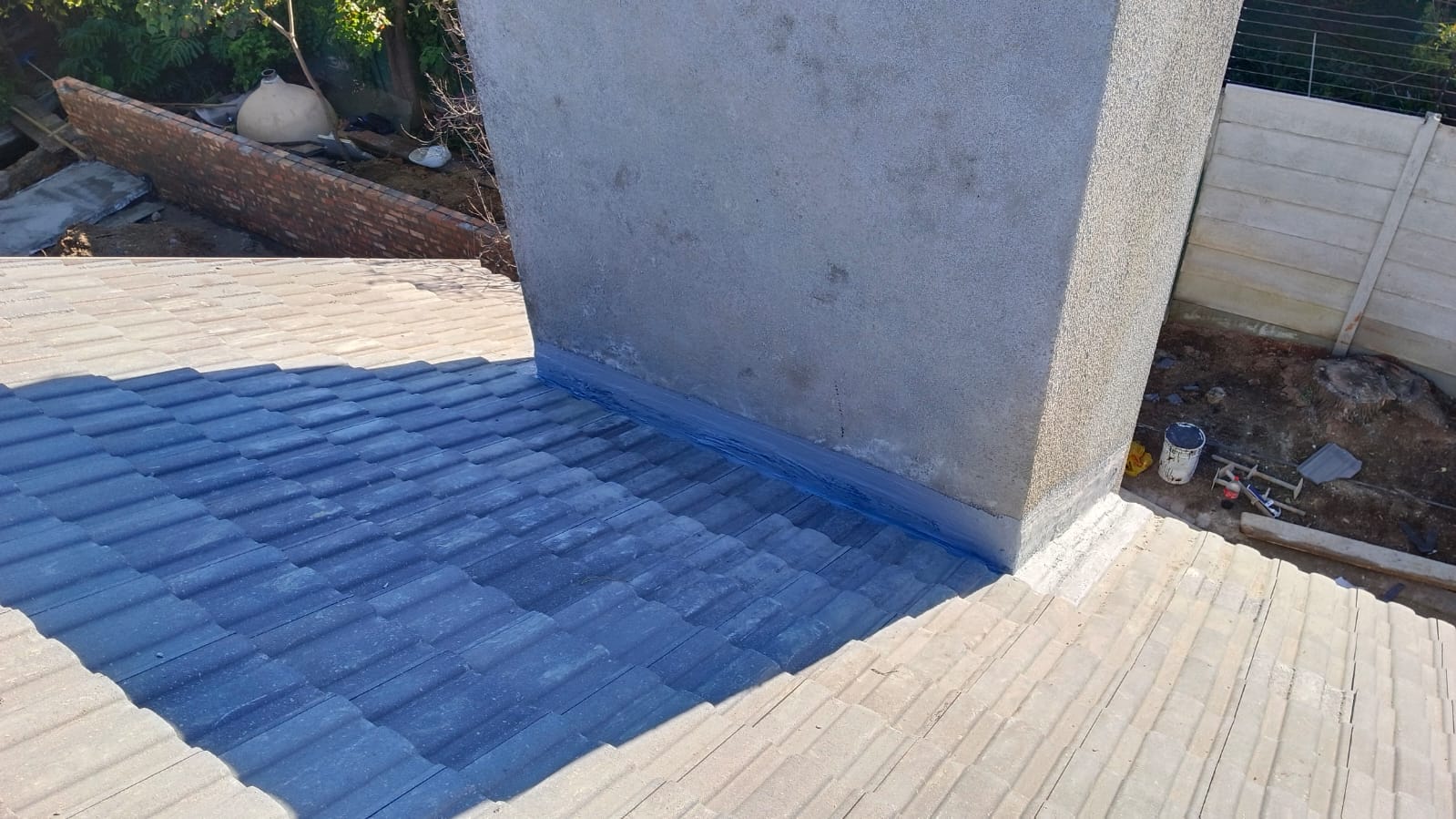
- Sealants and Primer: Effective for chimneys, parapets, and joints to prevent leaks.
- Rubberized Coatings: Excellent for pitched roofs and areas exposed to heavy rain.
3. Hire a Professional Installer
A skilled waterproofing contractor ensures proper application and long-term protection. Professionals have the right tools, materials, and experience to avoid common mistakes and maximize the lifespan of your waterproofing.
4. Maintain Regularly
- Routine Checks: Inspect your roof and walls periodically for early signs of damage.
- Clean Gutters: Keep water flowing freely to prevent backups and leaks.
- Reapply Coatings: Depending on the material, reapply waterproofing coatings every few years for continuous protection.
5. Consider Additional Protective Measures
- Concrete Sealing: Protect slabs and flat surfaces from water ingress.
- Chimney and Wall Protection: Use specialized sealants to prevent leaks in vulnerable areas.
- Membrane Applications: Apply high-quality membranes to prevent moisture penetration and structural damage.