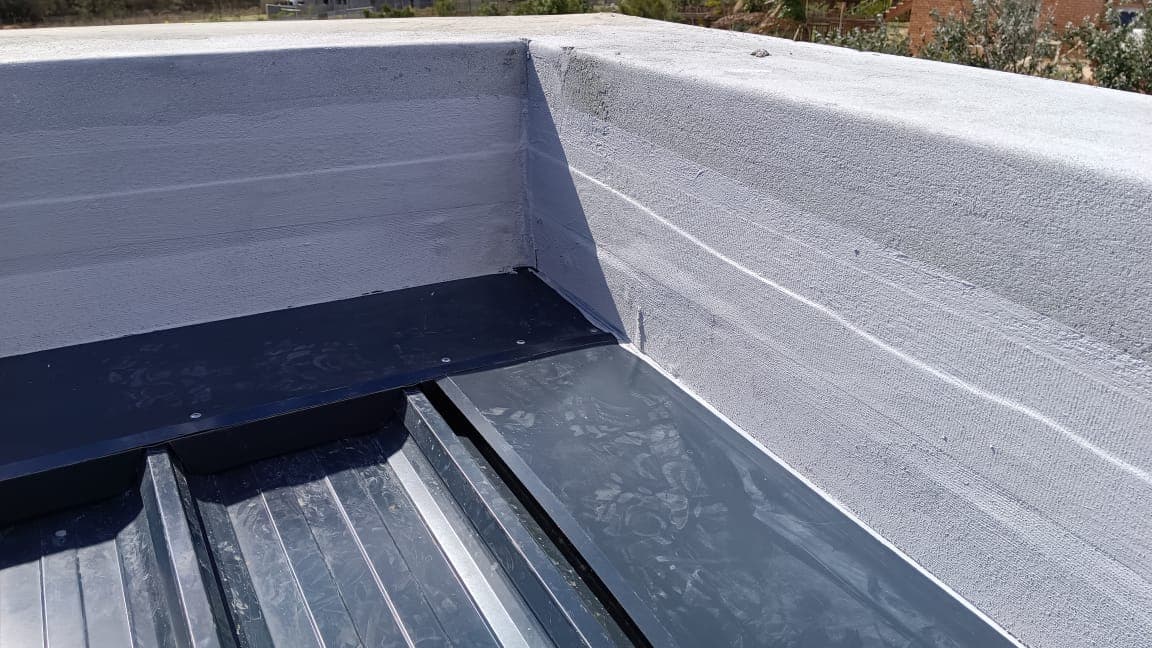
The New Era of Waterproofing Technology
In 2026, waterproofing is no longer just a surface-level concern; it has become an integrated part of a "smart" building’s DNA. From materials that repair themselves to sensors that alert your phone before a leak occurs, the industry has moved from reactive patching to predictive maintenance.
Top Waterproofing Trends & Innovations
The current market is dominated by three major shifts: self-healing capabilities, environmental sustainability, and digital integration.
- Self-Healing Membrane Systems: Modern membranes now feature embedded polymers or microorganisms. When a micro-crack occurs, these agents react with incoming moisture to "regrow" and seal the breach automatically.
- Nanotechnology Coatings: Utilizing nano-additives, these liquid-applied systems offer superior UV resistance and a monolithic (seamless) finish that is virtually impenetrable by salt, chemicals, or water.
- Smart IoT Sensors: High-tech properties are now installing sub-membrane humidity sensors. These IoT devices monitor moisture levels in real-time, sending alerts to property managers long before a stain appears on a ceiling.
Why Modern Waterproofing is a Non-Negotiable Investment
Choosing high-performance solutions isn't just about stopping rain; it's about managing hydrostatic pressure and preventing structural "cancer" (rebar corrosion).
| Solution | Best Use Case | 2026 Innovation |
| :--- | :--- | :--- |
| Crystalline Admixtures | Basements & Foundations | Becomes a permanent part of the concrete matrix. |
| Polyurea Systems | High-Traffic Decks | 1700% elasticity; cures in under 24 hours. |
| Plant-Based Sealants | Residential Walls/Wood | Non-toxic, zero-VOC, and fully biodegradable. |
Critical Factors for Selecting Your 2026 Strategy
When evaluating the latest products for your next project, keep these four pillars in mind:
- Substrate Compatibility: Ensure your choice (e.g., Crystalline vs. Bituminous) matches your surface. Crystalline works best for concrete, while rubberized coatings excel on metal and tile.
- Climate Resilience: With extreme weather becoming more common, look for coatings with high thermal stability that won't crack during rapid temperature shifts.
- Hybrid Redundancy: The "gold standard" in 2026 is a hybrid approach—combining an internal admixture with an external liquid membrane for double-layer security.
- Professional Certification: Advanced systems like Polyurea require specialized spray equipment and certified installers to reach their full 25+ year lifespan.
Final Thoughts
The jump from traditional tar-based methods to smart, eco-friendly membranes is more than a trend—it's a requirement for modern asset protection. By adopting these latest solutions, you aren't just fixing a roof; you are future-proofing your property against the elements.
Ready to upgrade? Consult with a specialist to see if your building is a candidate for a smart sensor retrofit or a self-healing membrane overlay.