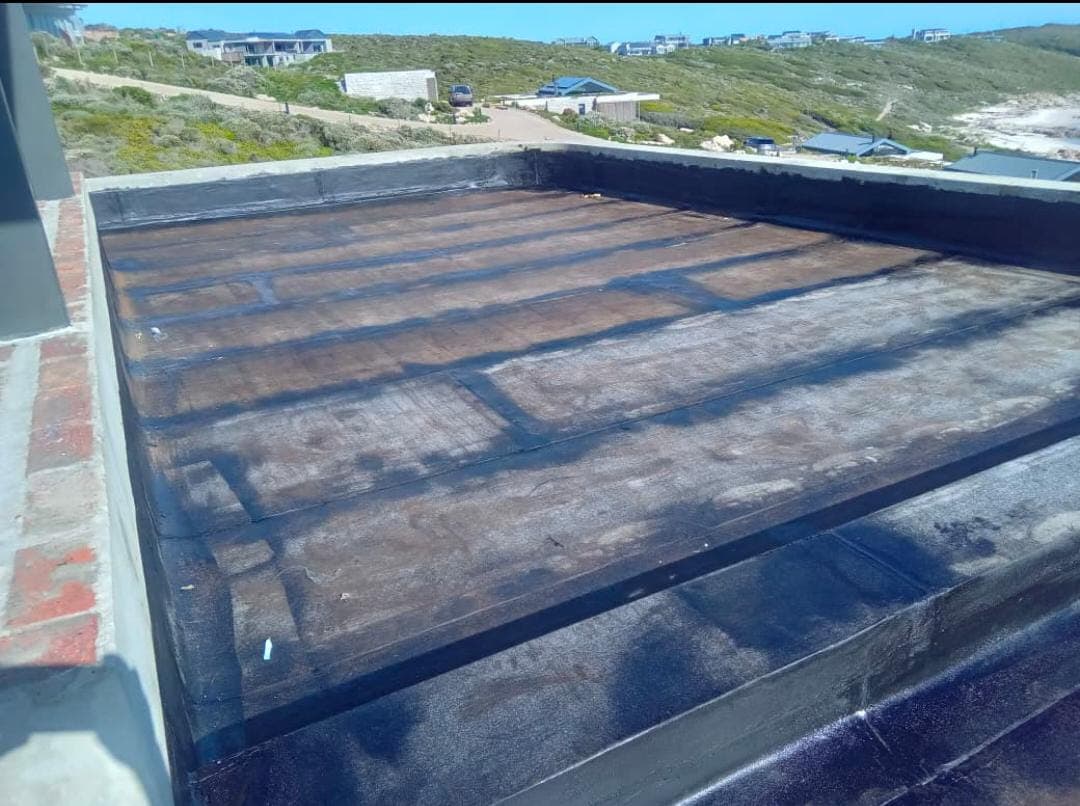
Protecting your property from water damage is not just a maintenance task—it is a critical investment in your building's structural integrity. From the foundation to the rooftop, moisture is the leading cause of material degradation.
By implementing the following professional strategies, you can mitigate the risk of mold, wood rot, and concrete spalling before they become financial burdens.
1. Proactive Inspection & Exterior Maintenance
A "dry" building starts with a clear path for water to exit the structure. Identifying vulnerabilities before the rainy season is essential.
- Routine Inspections: Use a ladder to check for hairline cracks in the masonry or "alligatoring" (cracking) on flat roof surfaces. Early detection is the difference between a minor patch and a full replacement.
- Drainage Management: Clogged gutters are the #1 cause of basement flooding and foundation issues. Ensure downspouts direct water at least 3–5 feet away from the property base.
- Vulnerable Points: Focus on "penetrations" where the roof meets chimneys, skylights, and vent pipes. These joints require high-quality PU sealants to handle thermal expansion.
2. Upgrading to Advanced Waterproofing Systems
Modern technology offers specialized barriers designed for specific architectural needs. Choosing the right system is vital for long-term success.
| System Type |
Best Application |
Benefit |
| Liquid Applied Membranes |
Balconies & Flat Roofs |
Creates a monolithic, joint-free waterproof layer. |
| Bituminous Membranes |
Below-grade foundations |
Extreme durability against hydrostatic pressure. |
| Acrylic Rubberized Coatings |
Pitched Metal Roofs |
High UV reflectivity, which also lowers cooling costs. |
| Silane-Siloxane Sealers |
Brick & Concrete Walls |
Penetrates surfaces to repel water while remaining breathable. |
3. Fortifying Concrete and Masonry
Concrete is naturally porous; it acts like a sponge if left untreated. To protect your slabs and walkways, consider these measures:
- Deep-Penetrating Sealers: Unlike surface films, these chemically bond with the concrete to block water ingress from within.
- Membrane Application: For high-traffic flat surfaces, a multi-layer membrane provides a cushion against structural movement and prevents leaks into lower levels.
- The Professional Edge: While DIY kits exist, a certified waterproofing contractor ensures the substrate is correctly prepared and the "mil thickness" of the coating is sufficient for local climate demands.
Summary: Long-Term Value Protection
Waterproofing your property is about more than just staying dry; it’s about preserving asset value. A property with a documented history of professional waterproofing and regular maintenance commands a higher price on the market and offers peace of mind to its occupants.
Expert Tip: Don't wait for a leak to appear. By the time you see water inside, the structural damage has already begun.