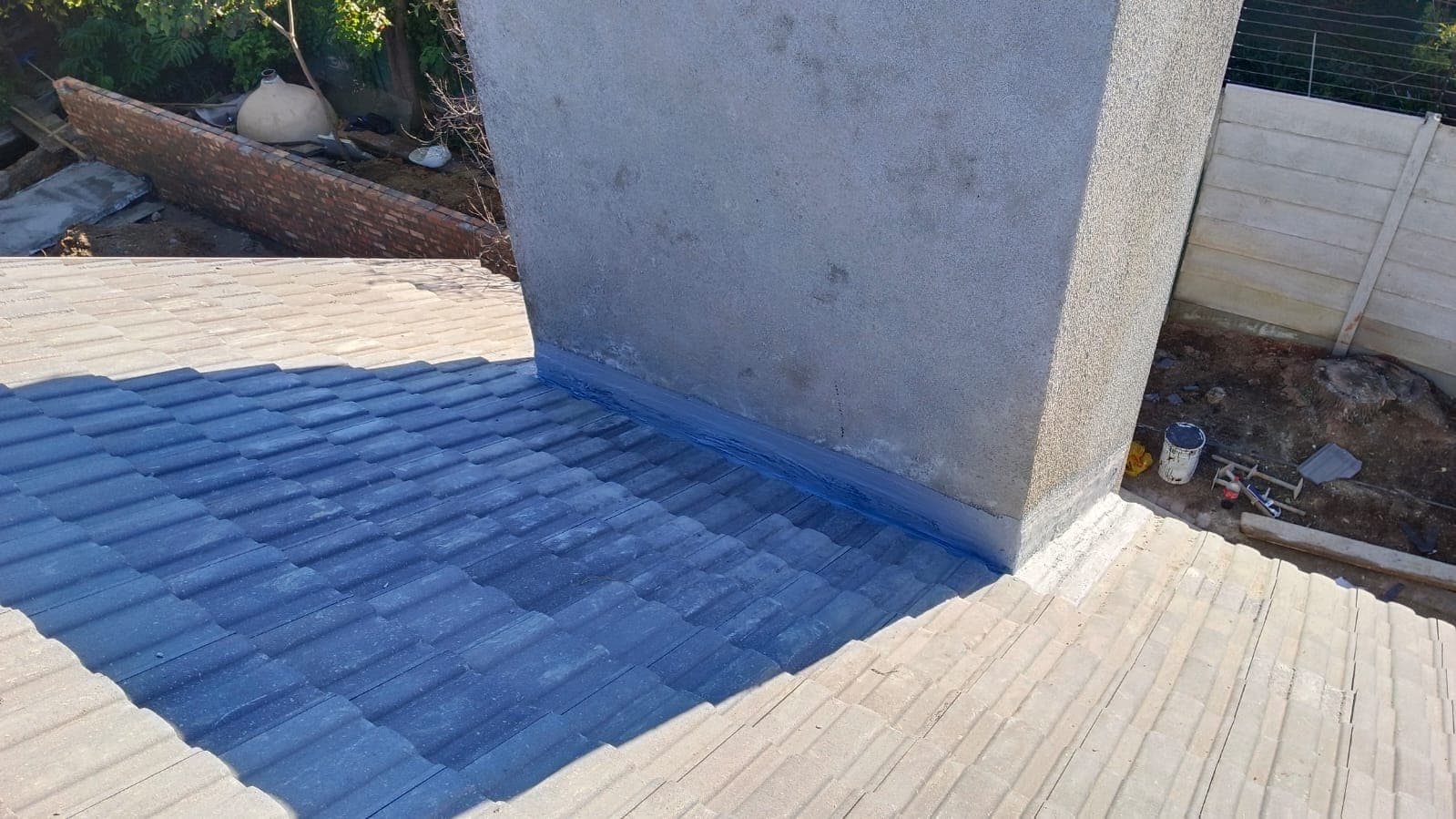
Your Ultimate Guide to Property Waterproofing & Leak Prevention
Water damage is often a "silent killer" for buildings. By the time you see a stain on the ceiling, the internal damage to your insulation and framework may already be extensive. Implementing a proactive waterproofing strategy is the most cost-effective way to ensure long-term structural integrity.
1. Conduct a Comprehensive Surface Inspection
Before applying any products, you must understand the current state of your property. Identifying vulnerabilities early can save thousands in emergency repairs.
- Pinpoint Weak Points: Look for hairline cracks in concrete, slipped tiles, or degraded flashing around chimneys.
- Surface Preparation: Waterproofing agents require a clean substrate. Ensure all moss, algae, and loose debris are power-washed away.
- Hydraulic Efficiency: Check that your gutters and downspouts are sized correctly for your roof's pitch. Standing water is the primary cause of membrane failure.
2. Select the Right Waterproofing Technology
Not all surfaces require the same treatment. Matching the material to the specific environmental stressor is key.
| Solution |
Best For |
Key Benefit |
| Liquid Membranes |
Flat roofs & balconies |
Seamless application; expands with heat. |
| Bituminous Coatings |
Foundations & Concrete |
Excellent for preventing ground moisture ingress. |
| PU Sealants |
Joints & Parapets |
High flexibility for areas prone to movement. |
| Rubberized Coatings |
Pitched metal/tile roofs |
High UV resistance and weatherproofing. |
3. The Value of Professional Installation
While DIY patches work for minor leaks, a full-scale waterproofing project should be handled by a certified contractor.
Why go professional? Professionals understand hydrostatic pressure and thermal expansion. Incorrect application can trap moisture inside the structure, leading to mold growth and accelerated rot.
4. Implement a Preventative Maintenance Schedule
Waterproofing is not a "set it and forget it" task. To maximize the lifespan of your protective layers, follow these steps:
- Bi-Annual Reviews: Inspect your roof after every major storm or seasonal change.
- Clear Drainage Paths: Ensure scuppers and drains are free of leaves to prevent "ponding."
- Top-Coat Refresh: Most liquid membranes benefit from a UV-resistant top-coat every 5–7 years to maintain elasticity.
5. Advanced Protective Measures for Total Security
- Concrete Sealing: Use penetrative sealers on driveways and walkways to prevent "spalling" caused by freeze-thaw cycles.
- Vapor Barriers: In crawlspaces or basements, high-quality membranes prevent rising damp from affecting your flooring.
- Flashing Upgrades: Ensure all roof penetrations (vents, skylights, pipes) use high-grade galvanized or copper flashing.
Conclusion: Act Now to Save Later
Investing in high-quality waterproofing today is significantly cheaper than a structural overhaul tomorrow. By combining the right materials with regular professional oversight, you can keep your property dry and your investment secure for decades.